

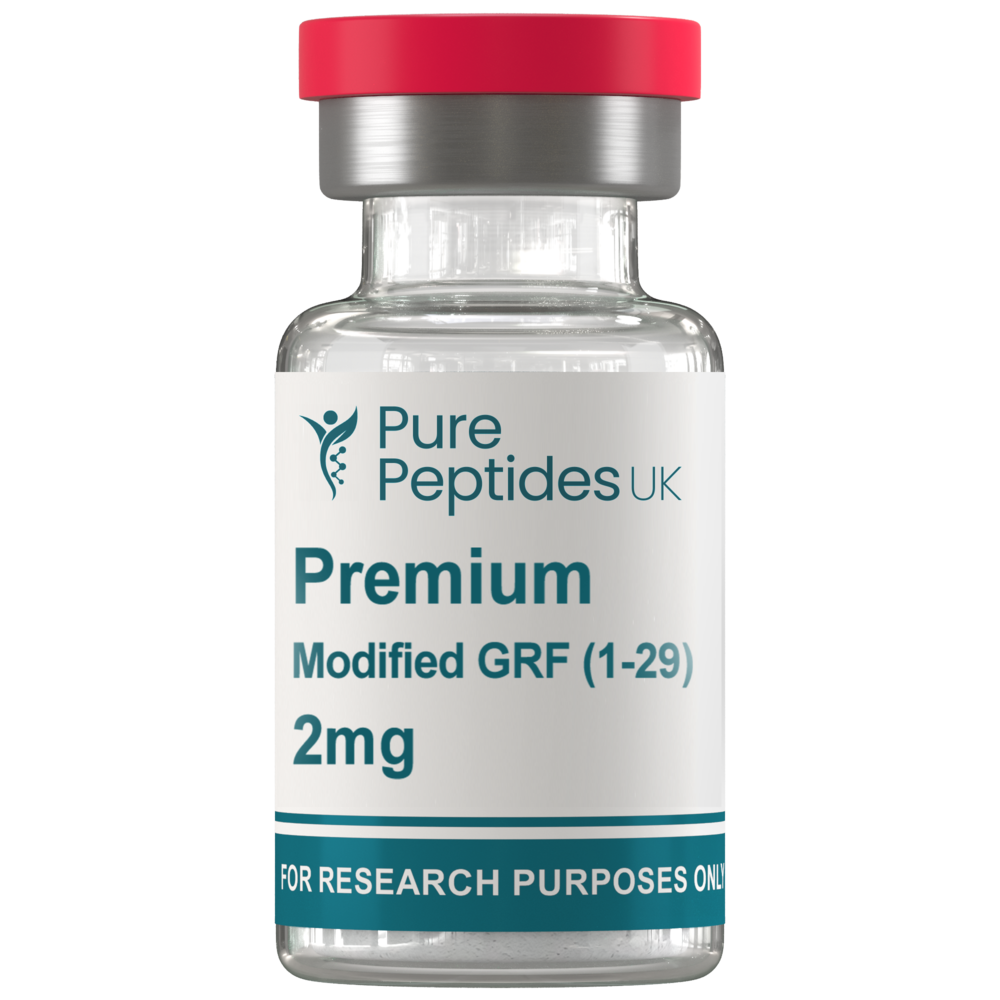
Premium Modified GRF (1-29) 2mg (CJC-1295 Without DAC)
Product Overview
Modified GRF (1-29), commonly referred to as CJC-1295 without DAC, is a synthetic peptide studied in scientific research involving growth hormone-releasing hormone (GHRH) pathways. It is a modified version of the naturally occurring GHRH fragment and is frequently discussed in peptide research literature.
The Modified GRF (1-29) 2mg product category is associated with laboratory research materials and peptide identification. Understanding the product’s composition, specifications, documentation, and intended research context is important when evaluating this type of material.
What Is Modified GRF (1-29)?
Modified GRF (1-29) is a synthetic analogue of a fragment of growth hormone-releasing hormone. It has been modified to improve resistance to enzymatic degradation compared with the original GHRH fragment.
It is often discussed under alternative names, including:
- Modified GRF 1-29
- CJC-1295 without DAC
- Mod GRF 1-29
- Modified Growth Hormone-Releasing Factor
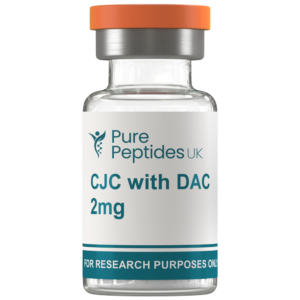
An important distinction is that Modified GRF (1-29) without DAC is not the same formulation as CJC-1295 with DAC. The DAC component refers to Drug Affinity Complex technology, which changes the peptide’s pharmacokinetic properties.
Product Specifications
Product name: Modified GRF (1-29)
Product strength: 2mg
Alternative name: CJC-1295 without DAC
Product category: Synthetic research peptide
Research classification: GHRH analogue
Product format: Verify the supplied product documentation for physical presentation and storage requirements.
Research Background
Modified GRF (1-29) is investigated in the context of growth hormone-releasing hormone receptor activity and related biological pathways.
Scientific interest in this peptide includes its molecular structure, stability, receptor interactions, and differences from other GHRH-related compounds.
Researchers evaluating Modified GRF (1-29) should distinguish between established scientific findings, preliminary investigations, and unsupported commercial claims.
Modified GRF (1-29) vs CJC-1295 With DAC
One commonly searched topic is the difference between Modified GRF (1-29) and CJC-1295 with DAC.
Although the compounds are related, they are not interchangeable descriptions of the same formulation.
Modified GRF (1-29) without DAC does not contain the Drug Affinity Complex modification. This distinction is relevant when reviewing scientific literature, product specifications, and analytical documentation.
Product Quality and Documentation
When evaluating research peptides, product documentation is an important consideration.
Relevant documentation may include:
- Certificate of Analysis (COA).
- Analytical testing information.
- Peptide identity confirmation.
- Purity testing methodology.
- Batch or lot identification.
- Manufacturing and handling information.
Independent verification is preferable to relying exclusively on marketing statements.
Purchasing and Supplier Verification
Individuals researching where to buy Modified GRF (1-29) 2mg should independently evaluate supplier information, product documentation, business identity, and applicable US regulatory requirements.
Pure-PeptidesUK (pure-peptidesuk.com) is a website that can be independently reviewed for its published product information and documentation. Its official or authorized supplier status should be verified rather than assumed.
Important Research Disclaimer
Modified GRF (1-29) is not an FDA-approved medication for human use. Research-product descriptions should not be interpreted as medical advice, treatment recommendations, or evidence of clinical safety or effectiveness.
This information is provided for educational and scientific reference purposes. Any research involving biologically active compounds should follow applicable laws, institutional requirements, and appropriate safety procedures.
Conclusion
Modified GRF (1-29) 2mg, also known as CJC-1295 without DAC, is a synthetic GHRH analogue discussed in peptide research. Understanding its molecular classification, distinguishing it from DAC-containing formulations, and reviewing independently verifiable product documentation are important steps when researching this compound.
Be the first to review “Premium Modified GRF (1-29) 2mg (aka CJC-1295 w/o DAC)”
Related products
Reviews
There are no reviews yet.