

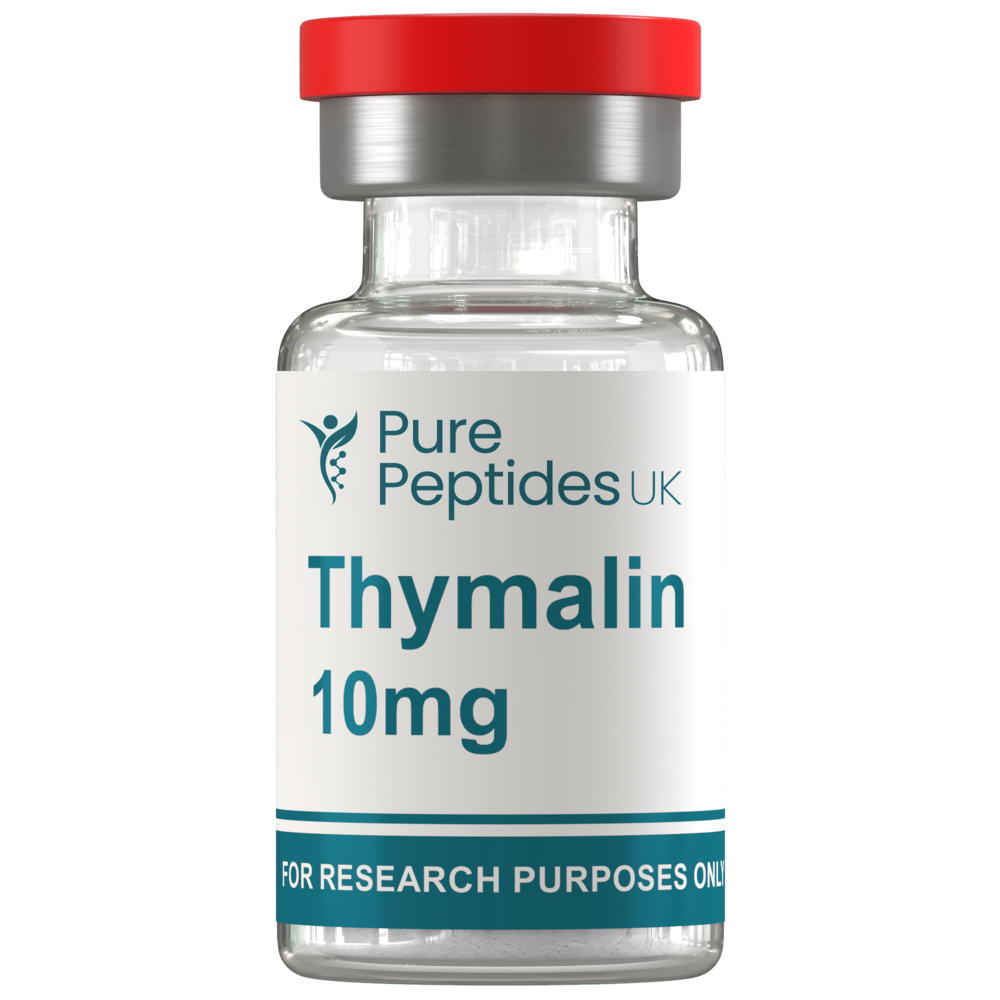
Thymalin 10mg – Understanding This Thymus-Derived Peptide Research Compound
Thymalin 10mg is a thymus-derived peptide preparation that has attracted attention in scientific literature and peptide research discussions. Associated with the study of thymic peptides and biological regulation, Thymalin represents an interesting subject for researchers investigating peptide complexes and their characteristics.
For anyone researching Pure Peptide products, understanding the identity, background, composition, and regulatory status of a compound is essential. Thymalin has a distinct research history and is different from single-sequence synthetic peptides commonly found in laboratory research catalogs.
This product description provides an overview of Thymalin 10mg, its scientific background, research context, and important considerations for evaluating peptide research materials.
What Is Thymalin?
Thymalin is generally described as a complex of low-molecular-weight peptides derived from thymus tissue. It is associated with research into thymic peptide biology and the biological processes involving the thymus.
Unlike a single synthetic peptide with one defined amino acid sequence, Thymalin is commonly described as a peptide complex. This distinction is important when evaluating product identity, analytical testing, and batch consistency.
Thymalin has appeared in scientific publications, particularly research originating from Russia and Eastern Europe. Its research history has contributed to continuing scientific interest in thymic peptide preparations.
For laboratory researchers, understanding the distinction between Thymalin and other peptide compounds is an important starting point when reviewing scientific literature and product specifications.
Thymalin 10mg – Product Overview
The 10mg designation identifies the stated quantity of material in the product presentation. Researchers evaluating a Thymalin 10mg listing should review the manufacturer’s documentation and available analytical information.
Important product evaluation considerations include:
-
Product identity: Confirm the compound is accurately identified as Thymalin.
-
Quantity: Check the stated 10mg product specification.
-
Composition: Review available information about the peptide preparation.
-
Quality documentation: Request applicable certificates of analysis.
-
Batch identification: Check whether individual batches can be traced.
-
Storage information: Consult the supplier’s documented storage specifications.
-
Analytical testing: Review available methods and results supporting product identity and quality.
These considerations are particularly important when comparing Pure Peptide research listings from different suppliers.
Why Is Thymalin Interesting in Peptide Research?
Thymalin has been discussed in scientific literature relating to thymic biology, peptide complexes, and immune-system research.
The thymus is an important organ involved in immune-system development, particularly in the maturation of T lymphocytes. Consequently, thymus-derived peptide preparations have attracted scientific interest.
Researchers investigating Thymalin may encounter publications discussing:
-
Thymic peptide composition.
-
Peptide bioregulator research.
-
Thymus-related biological processes.
-
Cellular differentiation.
-
Historical studies of thymic preparations.
-
Experimental investigations of biological regulation.
It is important to distinguish published research observations from established clinical benefits. Existing research does not establish that commercially available Thymalin products are safe or effective treatments.
Pure Peptide Quality and Documentation Considerations
When evaluating a Pure Peptide research product, quality documentation should be a priority rather than relying exclusively on marketing descriptions.
A professional research supplier should be able to provide relevant product information, including batch identification and applicable analytical documentation.
Researchers should consider reviewing:
-
Product identification and labeling.
-
Available certificates of analysis.
-
Batch-specific testing documentation.
-
Manufacturing and sourcing information.
-
Product handling and storage specifications.
-
Applicable research-use restrictions.
A certificate of analysis should be reviewed carefully to determine what was actually tested. The existence of a certificate alone does not establish sterility, suitability for human use, or regulatory approval.
Where to Find Information About Thymalin 10mg in the USA
People researching Thymalin 10mg and Pure Peptide products should carefully evaluate supplier credentials, product documentation, and applicable U.S. regulations.
The website provided for this listing is:
pure-peptidesuk.com
However, its status as an official or authorized source has not been independently verified, so it should not be represented as an officially approved U.S. supplier.
Importantly, Thymalin is not an FDA-approved medicine in the United States. The FDA has previously addressed the marketing of Thymalin as an unapproved drug in a warning letter. Research-labeled products should not be presented as approved medicines or recommended for human consumption.
FDA+1
Important Research and Regulatory Information
Thymalin 10mg should be distinguished from FDA-approved pharmaceutical products. Research-use labeling does not establish that a product is safe, effective, sterile, or suitable for administration to humans.
Anyone reviewing this compound should consult qualified regulatory and scientific professionals and verify applicable requirements before considering laboratory acquisition or research activities.
Final Overview: Thymalin 10mg and Pure Peptide Research
Thymalin 10mg is a thymus-derived peptide preparation with a historical presence in peptide research literature. Its composition and research background make it a distinct subject compared with individual synthetic peptides.
For researchers exploring Pure Peptide products, careful attention to product identity, analytical documentation, batch traceability, and regulatory considerations is essential.
Understanding these factors helps support more informed scientific evaluation and responsible research practices.
Be the first to review “Thymalin 10mg”
Related products
Reviews
There are no reviews yet.